
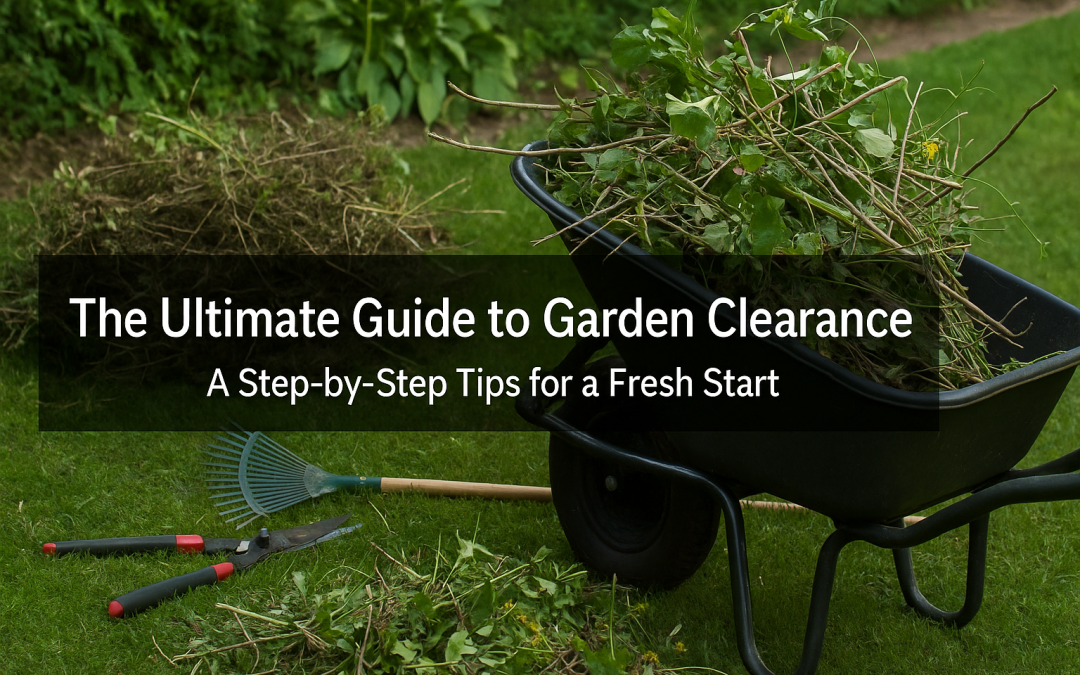
Taming a wild garden can be a hard chore. Overgrown plants, a lot of weeds, untrimmed hedges, overlapping plants, uncontrolled shrubs… it’s a mess, really. And to be honest, it seems like an impossible task to clean it all on your own without spending some “coin” on professional services.
But here’s the thing! It’s not as hard as it looks!
Yes, it takes some effort, but with the right tools, approach, and a tad bit of determination, nothing is impossible. If you think you have what it takes to turn your rough garden into a vibrant and peaceful space, this article is for you.
Here we will be sharing some pro tips with you that you can use to clear your garden just as if it’s new!
Let’s jump in!
Step #1: Assess what you’re dealing with
Before breaking havoc on all those weeds, shrubs, and overgrown branches, your first and foremost priority should be a thorough assessment of the garden. Inspecting it for any kind of hazards and wildlife, as well as things that you want to keep and those that you want to remove. This will help you avoid a lot of problems and make your job much easier.
Step #2: Get your tools!
You’ve removed the hazards, marked places where wildlife exists, and identified what you want to keep and what to remove. Now is the time to gather up your tools like a true pro! Following is a list of some must-haves that you will need to get your garden back to its formal glory:
Essential garden cleaning tools:
- Heavy-duty garden gloves
- Secateurs and loppers
- Lawnmower
- Rake and broom
- Garden fork and spade
- Pruning saw
- Garden waste bags
Essential Safety Gear
- Sturdy boots
- Safety goggles
- long-sleeved shirts
- Dust masks (especially for people allergic to dry dust)
If you have all of the aforementioned, you’ve already conquered half the battle. These will make the whole process significantly easier, and you’ll have no unnecessary headaches to stress over.
Step #3: Start cleaning… but slowly and gradually
Ok, cleaning the entire garden in one go might seem like a good idea, as it saves time and makes the cleaning super simple. However, keep in mind that the magic lies in the nuances. Doing things step by step will ensure you pay equal attention to every detail and make the cleaning more efficient.
- Start big
Start working with the things that instantly catch your eye. It could be the large debris, fallen/out-of-place branches, or broken furniture. Once the big things are out of the way, the smaller ones become easier to handle.
- Cut the grass
Now that you have removed all the big things, it’s time to start working with the grass. Look for tall weeds, hedges, and brambles. Then, cut them to a workable height with the help of a trimmer.
- Handle invasive plants
In gardens, there are many invasive plants that usually escape your eye. As you cut the grass, look for such plants and pull them out from the roots, using your hand, a gardening fork, or a spade. Do the same with any unwanted shrubs.
- Mow the lawn
Once you’re done with all the other chaos, the next step would be mowing the lawn. The trick is to give it a rough cut initially and then progress towards polishing it more until it achieves your desired look and cleanliness.
- Clean the dirt
Your garden is cleared of clutter now and one step away from the final touch-up. However, before you do that, make sure to rake up all those loose materials, clippings, and leaves, and dispose of them properly. Try separating the green waste from the general waste for proper garden waste disposal.
Step #4: Repair, Restore, and Rejuvenate
The waste is gone, the garden is clutter-free, and you have a rough idea of what your garden is going to look like. Now is the time to give the much-needed final touch-ups and bring it back to life. Your focus now should be on repairing and rejuvenating. Which means you’ll need to repair what’s broken, restore what’s lost, and rejuvenate what’s tired. Here’s a basic checklist that might help:
- Repairing any kind of of broken fences or edging
- Powerwashing all the patios and pathways
- Keeping the weeds and shrubs down by applying mulch
- Topping up soil levels for a consistent look
- Sowing new grass in patchy spots
- And planting low-maintenance flowers for instant beautification
Step #5:: Don’t forget the maintenance
Here’s a fact: the longer you leave your garden on its own, the more cluttered it’s going to get, and the harder it will be to clean it. For a clean, healthy, and nice-looking garden, a good maintenance session every once in a while could be a total game changer.
Even the simplest things on a weekly and monthly basis like weeding, trimming, proper watering, and planting seasonal shrubs could help you save hundreds of pounds you would otherwise spend on professional garden cleaning along the way. Taking an hour or so a week is worth it! Don’t you think?
Why a Properly Clean Garden Matters:
Well, first of all, your garden looks great when cleaned properly. Secondly, it gives your house a personality, turning it into a place where you can unwind mentally and physically. Not to mention, it could insanely increase your property value. In other words, a garden is not just another random space in your home that you need to take care of; it’s a true value adder that needs regular maintenance to keep its magic alive.
Conclusion
Garden cleaning can sometimes be a messy and time-consuming job. However, when done with the right approach, not only your job gets easier, but the final results are worth all the effort and time you put into it. So get your tools, make your plan, and start working on your garden just the way we’ve told you. You are not going to regret the final results—that’s a promise. See you with another helpful piece!