
Garden maintenance is not a one-time job. It’s an ongoing commitment where you have to take care of your garden in every weather and every season to maintain its vibrance, beauty, and health. Seems complicated, right?
Well, if you know what kind of plants are there in your garden and how they behave through the changing seasons, 50% of your worries should be already gone. For the remaining 50%, we have curated a detailed list of seasonal gardening tips that will help you maintain your garden like a pro, ensuring you and your family enjoy a clean, colorful, and peaceful space all year round.
Let’s jump in!
Seasonal Garden Maintenance Made Simple:
As we said earlier, seasonal garden maintenance doesn’t have to be complicated. While each season brings new demands, following a flexible approach with little tweaks each season goes a long way. Here’s a complete and simple-to-follow breakdown of your seasonal garden maintenance routine:
Spring Garden Maintenance: The Season of New Beginnings
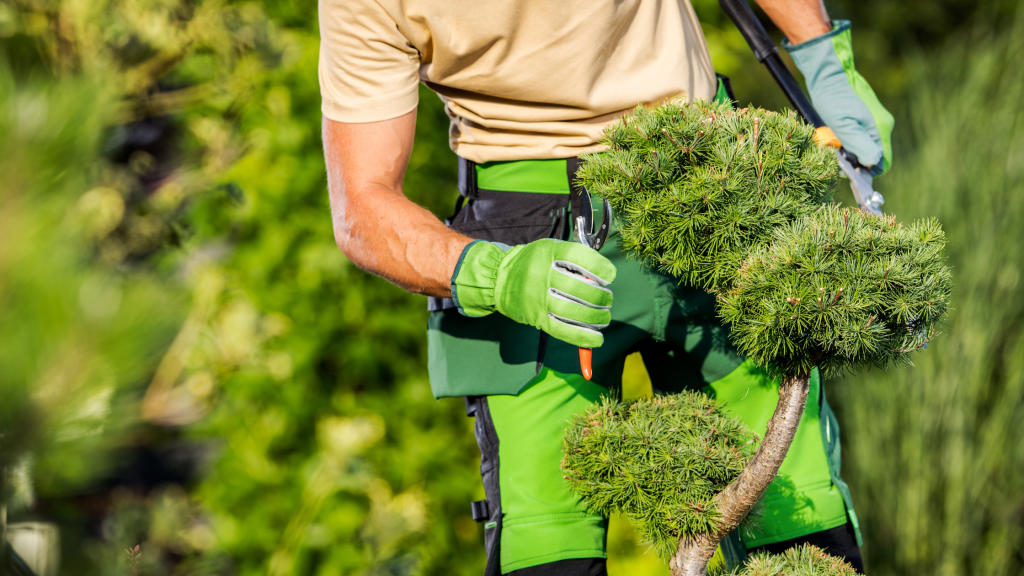
Spring is that time of the year when the earth awakens from the deep sleep of winter and starts rejuvenating itself. In this season, your main duty is to facilitate nature’s job and prepare your garden for the upcoming growth and bloom. This is the season where you set the foundation for what’s to follow the rest of the seasons.
That said, here are some tasks that you must religiously perform each spring for a perfect gardening year ahead:
- Pruning: As the plants are preparing to grow, they need maximum energy to reach their full potential. And to make sure of that, trimming overgrown plants and removing dead branches is absolutely necessary. This way, you don’t just make sure your garden is aesthetically pleasing but also that it thrives throughout the season with maximum growth.
- Fertilizing the Soil: As the winter comes to an end, the rains stop, and the snow melts, most of the nutrients are usually washed away from the soil or are just not ample to support new growth in spring. This is where a good-quality, organic fertilizer comes in. It provides the plants ample nutrients as the season progresses, giving them a rich support system for maximum growth.
- Planting: Need to make your garden more attractive? Or have some extra space you need to fill up? Spring is the ideal season to plant some new bulbs. If you’ve got the time and space, make sure to add some new additions to your garden. You’ll love the vibrance they bring to the overall look.
- Mulching: Want the soil to retain more moisture in the summers to follow? Mulching could be a great idea. You can use compost, wood chips, or even manure for this purpose. It could be a total game changer when it comes to promoting plant growth, as well as protecting it from the scorching heat.
Summer Garden Maintenance: The Season of Growth
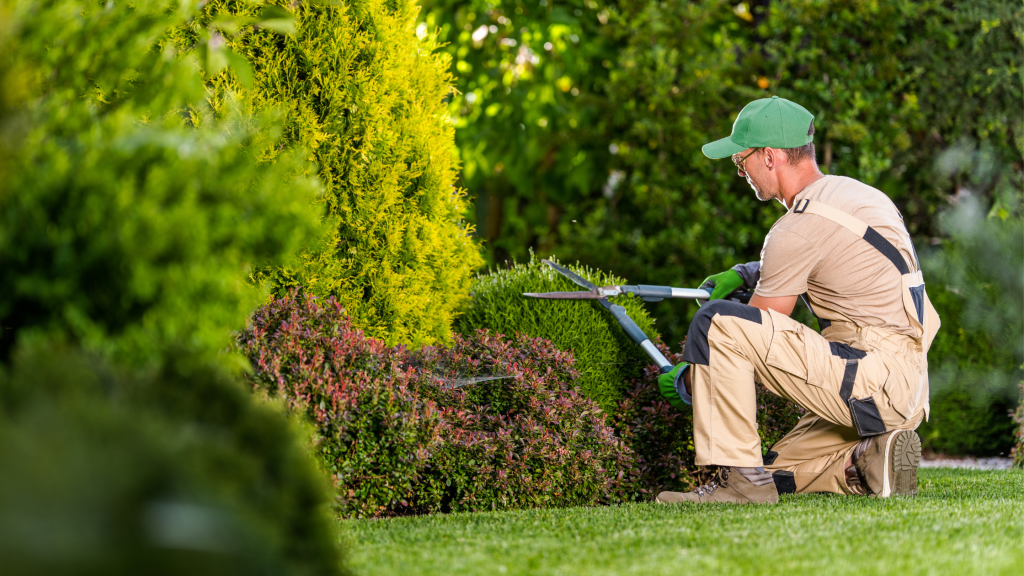
As we move towards the summer, the maintenance comes down to performing very basic but necessary tasks to keep your garden vibrant. Here are some of those:
- Deadheading and Watering: In summers, the plants are already drained of energy due to the hot sunlight. Therefore, you would want them to conserve as much of it as possible. By cutting the flower heads as they begin to fade and watering the plants regularly in the early morning or evening, you make sure no energy gets wasted, and your plants remain hydrated throughout the day.
- Weeding: Summer is the best season for plants’ growth. And by this, we mean all plants…including those irritating weeds that protrude between your plants. To maintain a polished garden, weeding more often is something we highly recommend, as these weeds can get unmanageable quite quickly.
- Lawn Mowing: Overgrown lawn is bad, both practically and aesthetically. We recommend mowing your lawn at least once a week in summers to maintain that beautiful, immaculate garden. However, don’t cut it too short… especially in the hot weeks to ensure there’s no direct sunlight dropping on the soil.
Autumn Garden Maintenance: The Season of Preparation
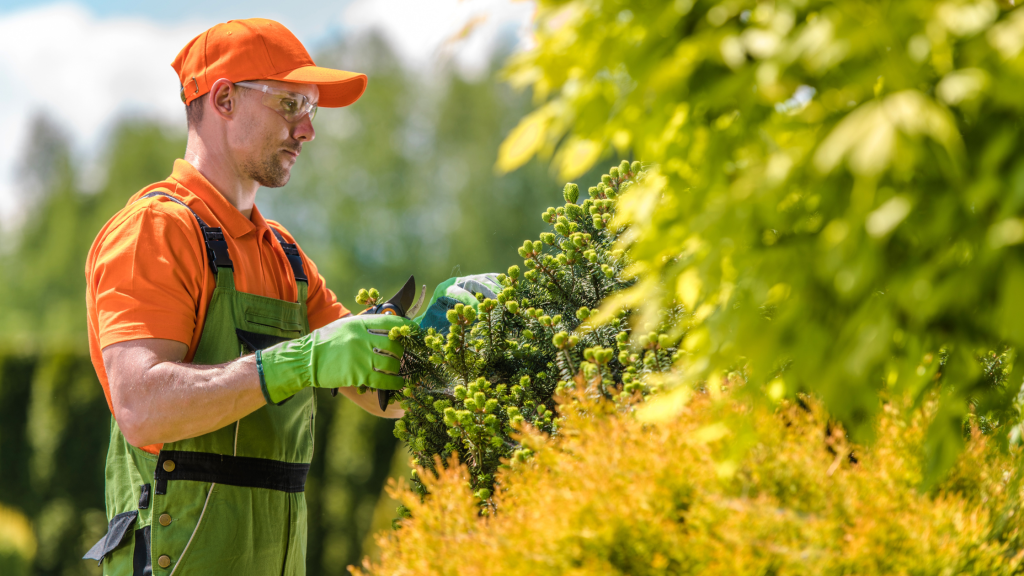
During autumn, it’s all about preparing your plants for the winter and helping them survive the cold weather that’s to come. Here, your focus shifts from growth and maintenance to clearing and protecting. Following are some best practices you can follow during the autumn:
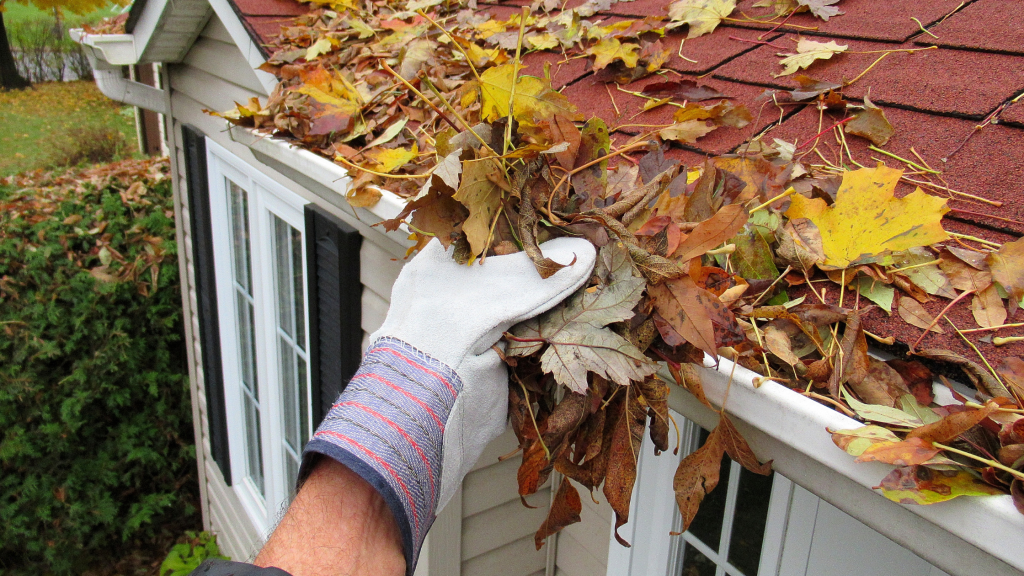
- Raking and Clearing: One of the worst things about autumn? There are fallen leaves…and a lot of them. These leaves can quickly take over your garden if not cleaned timely, causing rot. By raking regularly, you prevent that from happening and may even store some leaves and compost them to be used as mulch later.
- Cutting Back Perennials: Cutting back perennials is much like deadheading in the summers. By cutting perennials, you ensure that your garden looks less cluttered, your plants have more energy to survive the season to follow, and there’s no risk of them being affected by diseases and pests that linger in the winter months.
- Planting Some Bulbs: Daffodils, tulips, and crocuses thrive in spring, and planting them in autumn ensures they have the best growth when the season comes. It gives them enough time to settle in the soil, resulting in beautiful early blooms that will make your garden absolutely exquisite.
Winter Garden Maintenance: The Season of Protection
Winter might seem like a quiet season when it comes to plant maintenance since there’s no new growth. However, it doesn’t mean you’re free of your duty of regular maintenance. Now, you have to protect your plants from the harsh effects of winters and make them ready for a smooth transition towards spring. Here’s how you can do this:
- Protecting Plants: While bigger plants might be indifferent to the cold weather, delicate plants require special care to survive the winter. While there are many things you can do to protect such plants, adding some mulch around the base is one of the best ways to insulate them against the freezing temperatures. If you have some pot plants, moving them to sheltered areas is highly recommended.
- Pruning: Winter is the best season for pruning. Since the leaves are off, you can actually see the whole skeleton of the tree and make it in your desired shape without any hindrances. Plus, you can also spot diseased or dead branches more effectively and cut them off to ensure healthy growth. It’s the best time to make your garden clean and tidy.
- Keep Removing the Snow: If you live in an area where snowfall is a regular thing in winter, make sure to clean your garden as often as possible. Moreover, don’t leave snow on plants. It can weigh down on delicate branches and damage the plants.
Conclusion
Keeping your garden clean and healthy all year round requires regular and a very specific kind of maintenance for every season. You’ll need to give consistent care and attention to your garden to ensure it thrives all year round and your outdoor space remains as welcoming and vibrant as it could get. This article explored some basic practices you can follow to ensure your garden remains fresh, clean, and exquisite, and you and your family enjoy it regardless of the month.
See you with another helpful piece!